September 29, 2026
By Janis Cole
Nina Simone is asked to describe freedom. Her answer, “I’ll tell you what freedom is to me, no fear. I mean really, no fear”. In her turbulent lifetime she felt that type of freedom only fleetingly.
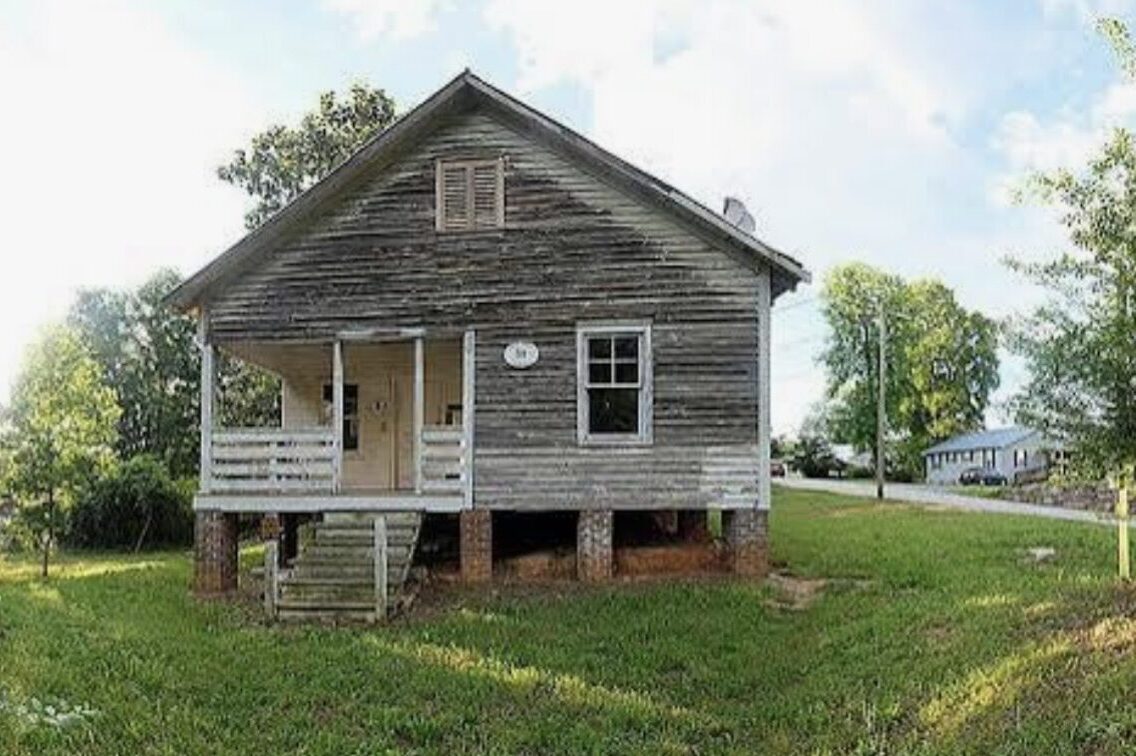
Born Eunice Waymon in 1933, she grew up in the small North Carolina town of Tryon during rigid Jim Crow segregation. Recognized by several white women as an extremely gifted pianist at a church recital young Eunice was offered piano lessons with the local classical piano teacher Muriel Mazzanovich. She needed to walk from her three room house on the black side of town and crossover to the white side for her lessons, which she took initially for five years and continued for nine more with funds her teacher raised for her education. She was an eager prodigy, learned quickly and fell in love with all compositions by Bach but with seven hours of practice a day she sacrificed youthful socialization to work diligently on her dream to be the first black woman classical concert pianist.
At a piano recital when she was 12, she witnessed her parents being moved from their front row seat to the back to make room for white patrons, and refused to play until they were moved back. Later in life she recalled that it was her first experience seeing racial discrimination, and it influenced her later civil rights work. With the educational funds she was able to finish high school and attend the prestigious Juilliard School in New York. However, when she applied to the renowned Curtis Institute of Music at nineteen, they turned her down, which she took personally as based on race, something that affected her profoundly for the rest of her life.
No longer being schooled she took a temporary job in Atlantic City playing piano in a bar but was told she needed to sing if she wanted to keep playing. She changed her name to conceal her job from her religious parents, and when show business became her way of life and later her livelihood to support her family the stage name stuck. From the beginning, Simone’s improvised piano playing and emotionally charged singing style was distinctly her own. She played the Newport Jazz festival in 1960, and performed her first major hit single I Loves You Porgy for a television audience, filmed at the Playboy Mansion. She held nothing back onstage with performances that came from her soul, and audiences responded quickly to her original artistry and emotional depth. She once said, “Anything human can be felt through music.”
Andrew Stroud married Simone and quit his job to manage her, pushing her to perform in non-stop bookings and road tours, and making her feel like a “workhorse”. When he never let her rest she defied him and he became violent, extremely so. Their only child, Lisa Simone Kelly discusses happy times but also seeing her father abuse her mother, and abuse she suffered from her mother’s mood swings caused by undiagnosed mental health. Simone yearned for a family life but hers was short lived.
The Civil Rights movement was the perfect outlet for blending her growing anger and expansive creativity, and allowed her to use her music to help her people. She wrote the transformative protest song Mississippi Goddam and put her stamp on To be Young, Gifted and Black. She even prioritized civil rights at the expense of losing radio play and popularity, stating that she believed it was an artist’s duty to reflect the times. Her immersion in the movement also brought a rare period of social connection with writers and artists, working together in the fight for racial equality.
By the time Martin Luther King Jr. was murdered in the late 60s Simone was fighting demons and experiencing breakdowns, often yelling at bandmates, scolding audiences and even walking offstage. Disillusioned by systemic racism and the lack of change in America she left her husband and fled the country, staying away from people for years and mainly living alone as she moved between Barbados, Liberia, Switzerland and France, where she spent her final years.
Only one friend is shown as lifelong, her guitarist Al Schackman who started playing with her in 1957. He was loyal through her turbulent times, and instrumental in helping her get mental health help in the late 1980s, when she was diagnosed with bipolar disorder and offered medication that allowed her to continue performing until late in life. She grew to regret the loneliness that started in her youth, but took enjoyment from playing to live audiences.
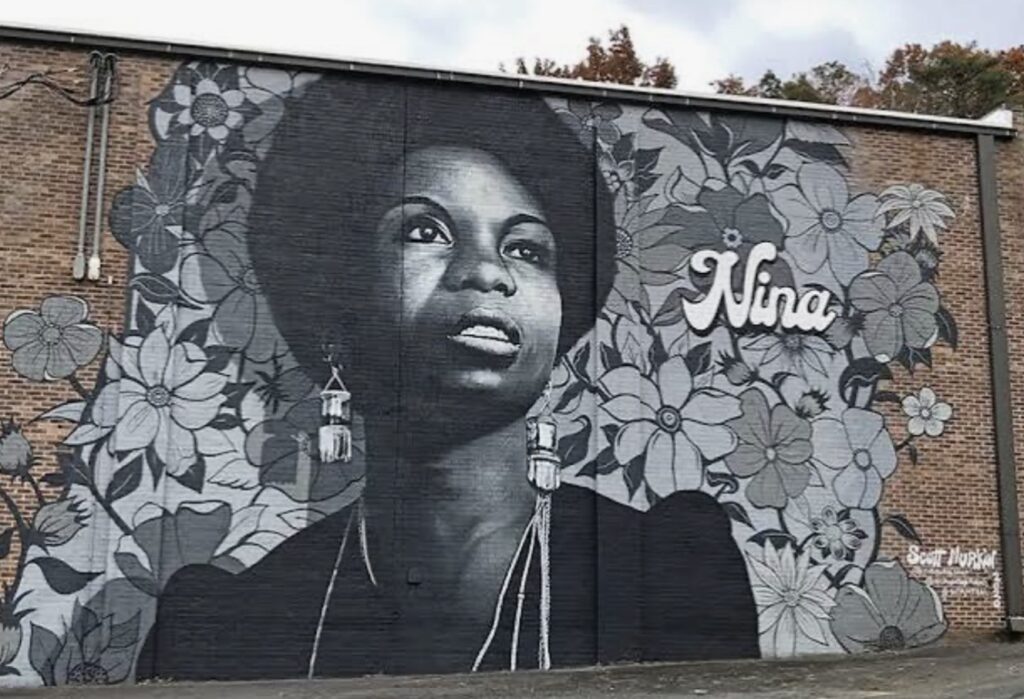
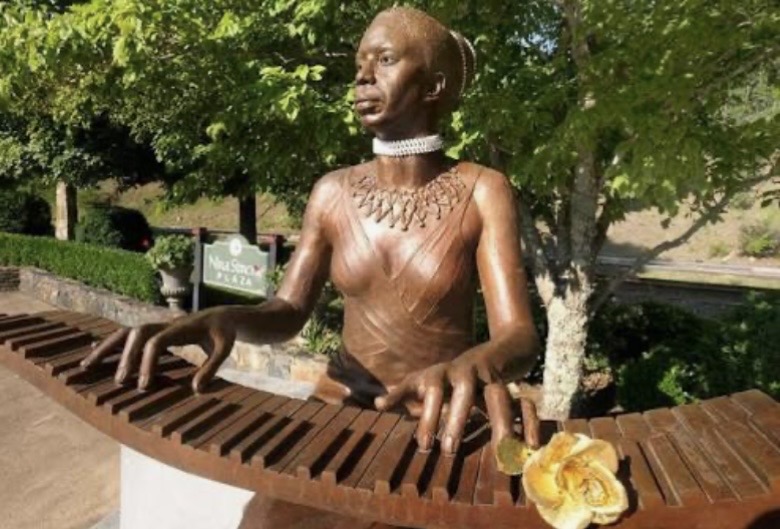
In a twist of fate Simone learned only two days before her death from breast cancer in 2003 at the age of 70 that the Curtis Institute that had once rejected her was awarding her an honorary degree. After her death, the town of Tryon that segregated blacks in her youth honoured her with a bronze statue, a downtown mural and the restoration of her family home for preservation.
Her legendary live performances survived private struggles and strifes away from the spotlight. She lived through racial discrimination, segregation, spousal abuse, long years of undiagnosed mental health, the toll of the Civil Rights movement and financial exploitation in the music industry. The woman who bared her emotional truth and refused to compromise or backdown was bestowed the title, ‘High Priestess of Soul’.
One of her great creative strengths was transforming cover tunes into unique, emotionally charged interpretations, blending such a range of genres her music couldn’t be singularly defined, although it was often named jazz, a category she didn’t agree with. She preferred to call her blend of gospel, blues, soul, folk, jazz, classical and pop ‘classical black music’.
What makes the film so dynamic is watching Simone’s singular, mesmerizing, honest and pure talent. She was one of the most gifted performers and fearless civil rights activists of her generation. Through times of overwhelming racial disillusionment she hit the stage with beauty and grace. The film shows her many complex sides, some not so pretty, some that make your heart drop but ultimately demonstrates why Simone and her music have endured throughout time, and why this film adds to her timeless legacy.
2015, 101 minutes, Netflix. Director: Liz Garbus. Producers, Cast and Crew: IMDB. Editor: Joshua L. Pearson.
Nominated for an Oscar, Winner of Outstanding Documentary, Primetime Emmy Award.
What Happened, Miss Simone? official trailer.
I’m as deeply moved on this second screening as I was when I saw the film a decade ago, both times on Netflix. After the first screening I purchased many songs I didn’t have. This time I found a short, raw, performance, 1978, and this one hour French made documentary based on her biography, that offers a little more family background.